A business lock problem has a way of getting loud fast. Not loud like an alarm. Loud like three employees standing outside with coffee, a delivery guy waiting by the back door, and one manager saying, "It worked fine yesterday".
That sentence comes up a lot.
Commercial doors work hard in Fort Lauderdale. Storefronts near Las Olas. Offices off Federal Hwy. Small warehouses, restaurants, salons, medical offices, rental buildings, condo offices, and little shops that open early and close late. The lock gets used all day. The closer gets slammed. Keys get copied. Staff changes. Salt air and humidity do their quiet little damage. Then one morning the door decides it is done being polite.
Fort Lauderdale Locksmith helps local businesses with commercial locksmith service, rekeys, lock repair, lock changes, office lockouts, storefront locks, master key systems, keypad locks, panic bars, door closers, keyless entry, high-security locks, and access control system installation. Some jobs are urgent. Some are planned. The best ones, honestly, are planned before the door fails in front of customers.
A commercial lock has a different job. It has to handle more people, more use, more rules, more key control, and sometimes more abuse. A home deadbolt may turn a few times a day. A shop lock can turn dozens of times before lunch.
That changes the way we look at the problem.
A sticky office lock may be worn inside. Or the door may be dragging. Or the latch may be hitting the strike plate wrong. Or three different people may be using three bad copies of a key, each one a little worse than the last. We have seen that one more than once.
So we do not like guessing from one quick look. We check how the door closes. We check how the key turns. We look at the hardware, the frame, the use of the door, and who needs access. The answer might be simple. It might not be. But the lock usually gives clues.
Every business has its own setup, but the problems tend to fall into a few familiar buckets.
The list is neat. The actual call is usually not. A restaurant says the back door locks, but only if someone kicks the bottom of it. A property manager says one tenant moved out, but the key situation is "probably fine". A shop owner says the front lock works unless it rains. That last one is not a joke. Weather can make a tired door act even worse.
Commercial rekeying is one of those jobs that does not look exciting, but it can clean up a lot of worry.
An employee leaves. A tenant moves out. A vendor had a key. A manager lost a ring of keys somewhere between the office and the parking lot. Maybe nothing bad happened. Still, nobody loves wondering who can open the door after hours.
Rekeying lets the business keep the existing lock when the hardware is still good, but old keys stop working. New keys work. Old copies do not. That is the point.
For offices, retail spaces, small buildings, salons, clinics, warehouses, and rental properties, this is often the first thing to consider before replacing every lock. If the hardware is damaged or too weak for the door, then replacement may be the smarter move. We can look at it and say which one makes sense.
Keys spread. Slowly at first, then all at once.
One for the owner. Two for managers. One for the opener. One for the closer. One for the cleaning crew. One for a vendor. One that got copied because someone was going on vacation. Then months later nobody knows how many exist.
That is where key control matters. Some businesses need a basic rekey and a cleaner key list. Some need a master key system. Some need restricted keys that are harder to copy without approval. Some are better off with keypad locks or access control, especially when staff changes happen often.
No need to overbuild it. A small shop does not always need a huge system. A larger property may need more structure. The right setup depends on the building, the doors, the people, and how the business actually runs day to day.
Access control sounds fancy, but the idea is pretty normal: let the right people in, keep the wrong people out, and make changes without chasing down keys.
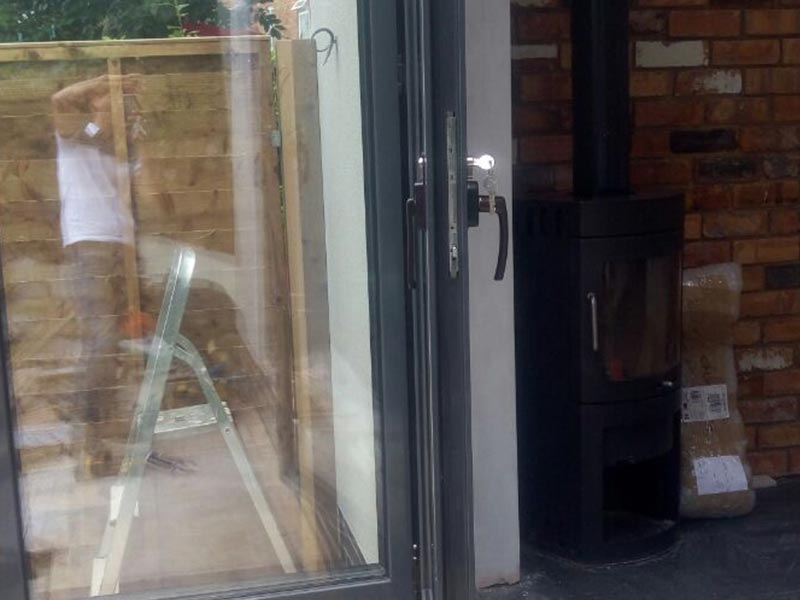
For some businesses, keyless entry is enough. A keypad on the right door. A code for staff. A way to change access when someone leaves. For others, access control system installation makes more sense, especially with offices, shared spaces, medical suites, managed buildings, storage areas, or doors that need a record of who came in.
There is one thing we like to say before anyone gets excited about hardware: the door still matters. A nice keypad on a bad door is still a bad door. If the latch drags, the frame is bent, the closer slams, or the strike plate is wrong, the system will fight itself. Good access starts with a door that closes like it should.
Front doors get judged by customers before they even walk in. If the lock sticks, the handle feels loose, or the door slams behind people, it makes the place feel neglected even when the business is great.
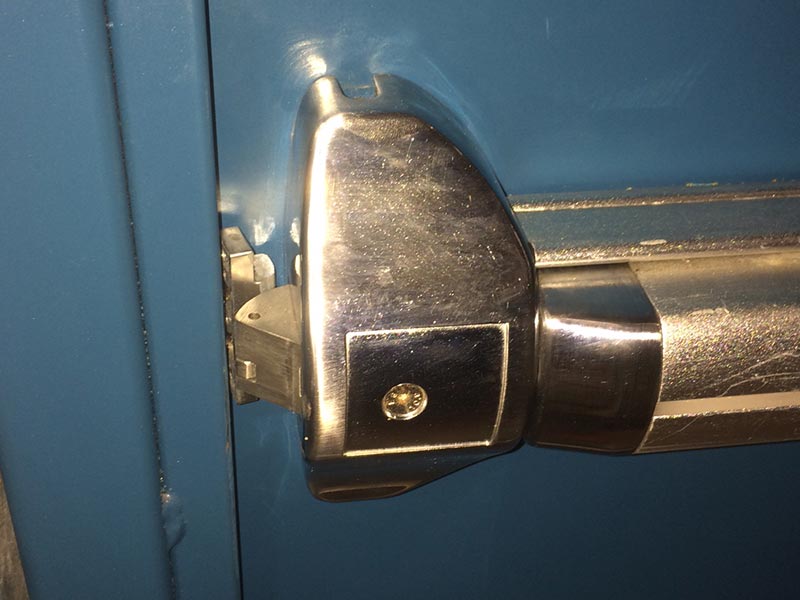
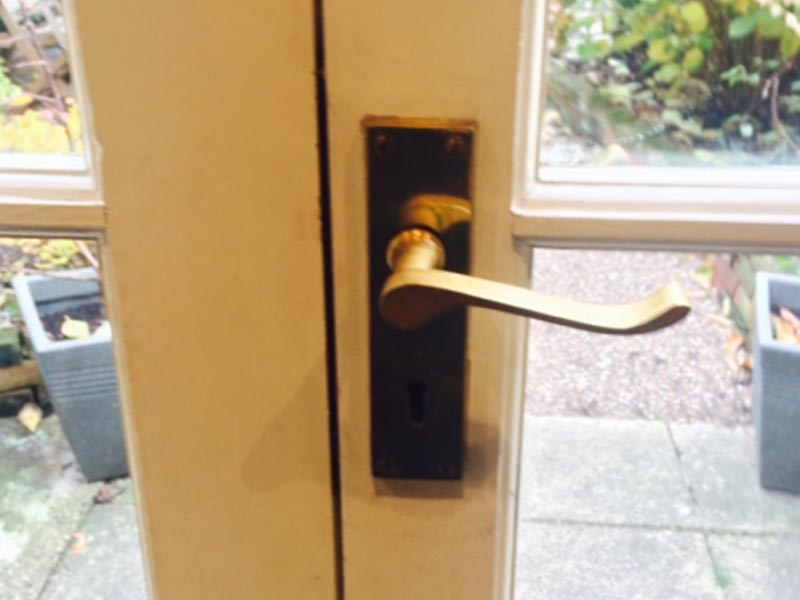
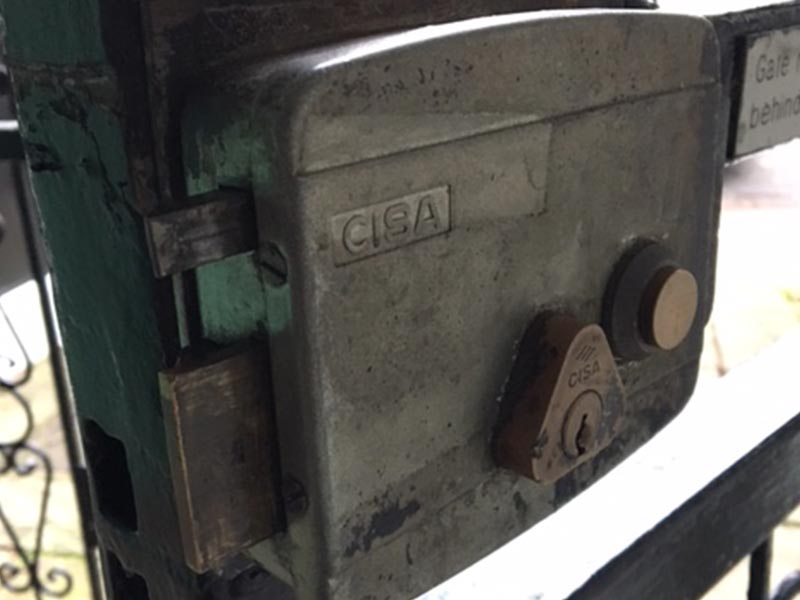
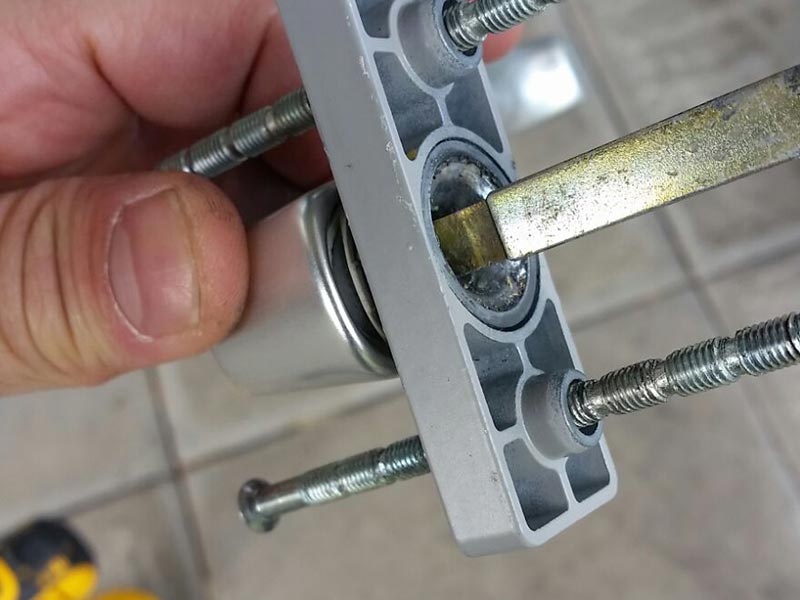
We help with storefront lock repair, commercial lock replacement, cylinders, mortise locks, panic bars, exit devices, door closers and other hardware that gets used hard. Restaurants, retail stores, offices and service businesses all have different door traffic, so the hardware should fit the real use.
A panic bar that does not latch right is not something to ignore. Same with a door closer that lets the door slam, or a lock that only one employee knows how to use. That "little trick" usually becomes the next emergency locksmith service call.
Some calls are not about routine wear. They are about getting control back.
A lock was forced. A key was stolen. A fired employee did not return keys. A tenant left angry. A glass door was repaired but the lock still feels wrong. In those moments, the job is not only to make the door work. It is to make the business feel secure again.
We can check the lock, cylinder, latch, strike plate, frame area and hardware. Sometimes a rekey is enough. Sometimes the damaged part needs replacement. Sometimes better hardware is worth it because the old lock was already too light for the job.
One store owner told us, "I just want to stop thinking about the door". That made sense. A business owner has enough to think about.
It depends on the job. Not a fun answer, but an honest one.
A simple office lockout is not the same as replacing a storefront lock. Rekeying one cylinder is not the same as building a master key system. A keypad lock is not the same as access control. Door hardware, number of locks, parts, time, door condition and urgency all affect the price.
What helps? Send a photo of the lock or door if you can. Tell us if it is a front door, back door, office door, gate, storage room, glass storefront, metal door, or interior suite. Mention if the key is lost, stuck, broken, copied too many times, or still working but badly. The small details make the quote less fuzzy.
We work with businesses in Fort Lauderdale and nearby South Florida areas. If you need a local locksmith for a shop, office, rental building, restaurant, warehouse, clinic, salon, condo office or property you manage, we can help you figure out the next right step.
Maybe it is one lock. Maybe it is a full rekey. Maybe the door closer is the real problem. Maybe the keys are the problem, not the lock. We will look, explain, and keep it practical.
Most commercial lock issues give a warning before they fail. A key starts sticking. A closer starts slamming. The latch misses. Staff mention the door is "weird". Someone makes another copy of a copy because the first one barely works.
That is the time to deal with it.
For commercial locksmith service in Fort Lauderdale, FL, call Fort Lauderdale Locksmith when the lock starts acting strange, after a staff change, after tenant turnover, after damage, or before a small door problem turns into a morning full of people waiting outside.